News
Industry News
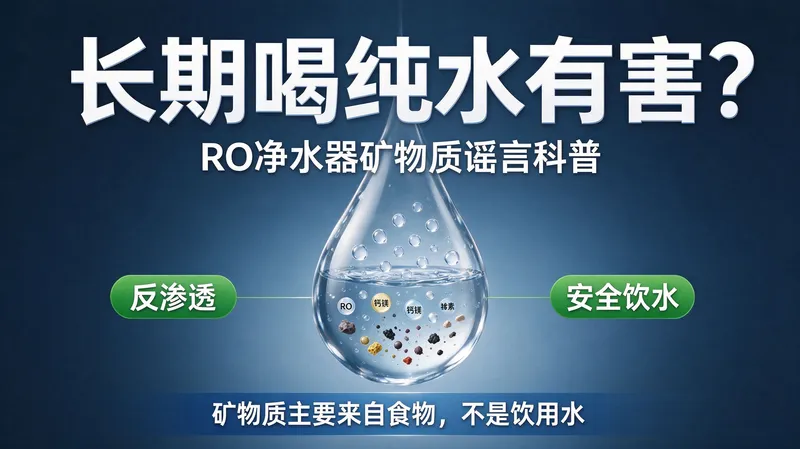
Does RO Water Filter Out Minerals? Is Long-Term Drinking of Pure Water Harmful? Science
Myth busted: Does a reverse osmosis system remove all beneficial minerals and make pure water harmful for long-term drinking? This article explains RO membrane technology, GB 5749 / GB 17323 standards, WHO guidance, nutrition data, and how to choose the right water purifier.

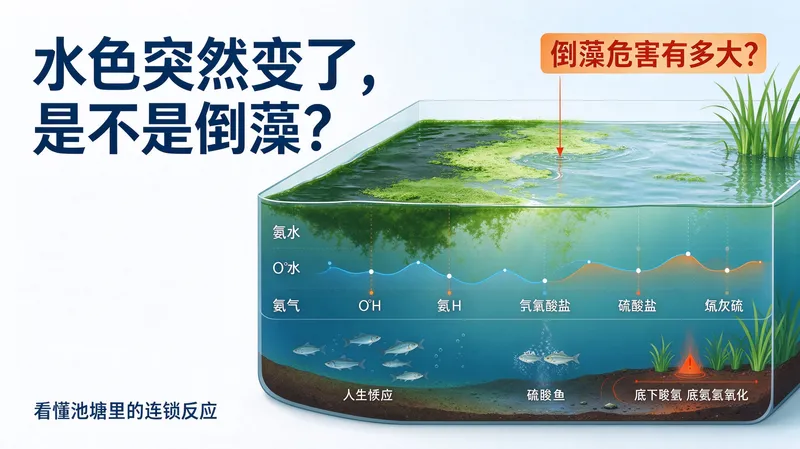
Rusty, Black, Red and Dense Green Water: A Complete Guide to Identifying and Fixing Four Dangerous Pond Water Colors in Aquaculture
What causes rusty water, black water, red water and dense green water in aquaculture ponds? This practical guide covers visual identification, root causes, step-by-step treatment and prevention for fish and shrimp farmers.
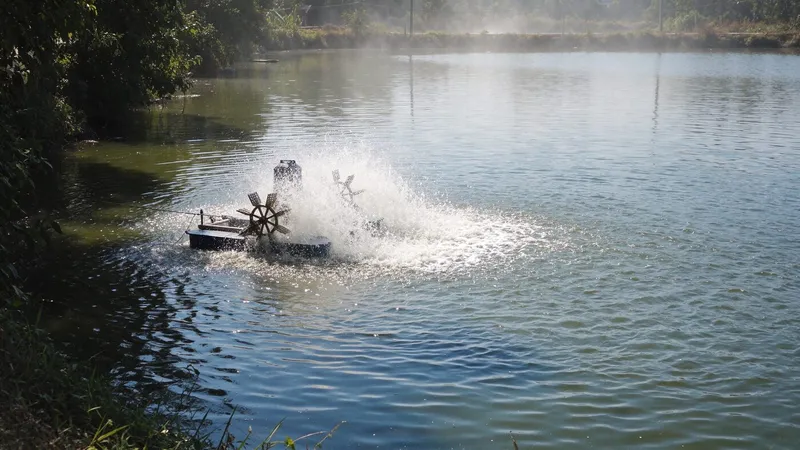
Scientific Feeding Management: How to Adjust Feeding Rate by Water Temperature and Weather
A practical pond feeding guide: a water temperature vs feeding rate table from 8°C to 32°C+, adjustment rules for sunny, cloudy, muggy low-pressure and thunderstorm weather, how to judge 70–80% satiation, hot and cold season protocols, and six common feeding mistakes.
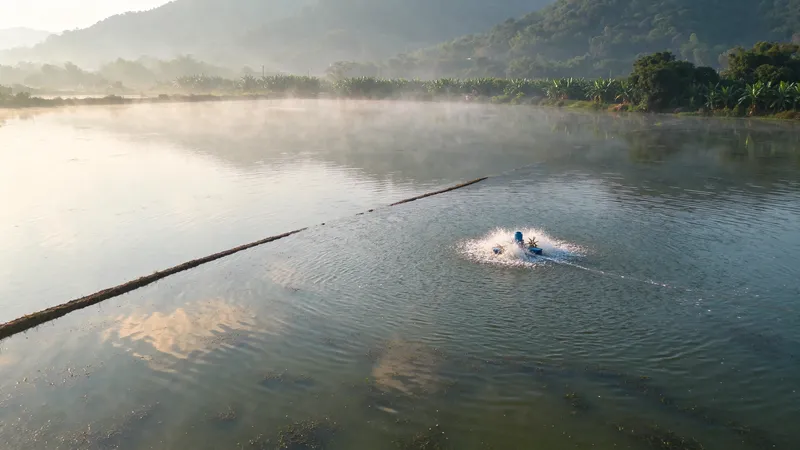
How to Choose, Combine and Run Pond Aerators: Power-Outage and Oxygen Emergency Guide
Fish, shrimp and crabs breathe 24 hours a day. So do algae, uneaten feed, bottom sludge and bacteria. In a typical 5-mu (≈0.8 ha) grow-out pond at 1.5 m depth, the nighttime oxygen demand from waste and microbes can exceed the oxygen consumed by the fish themselves .
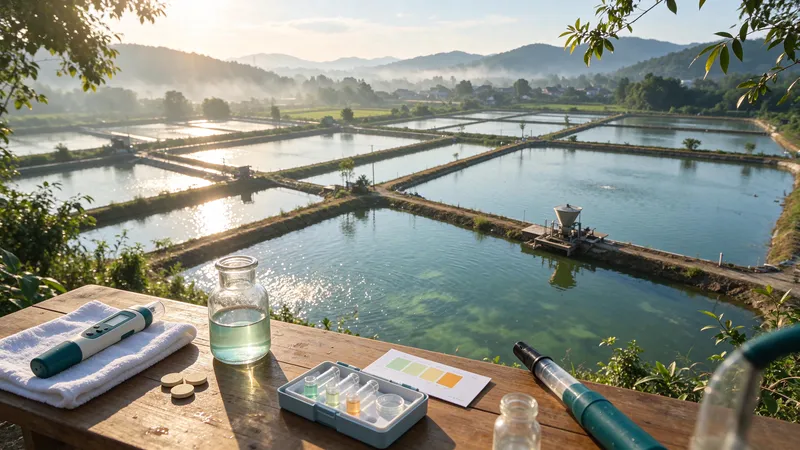
Shrimp & Fish Stop Feeding Suddenly – 90% of Farmers Make the First Mistake
When shrimp or fish suddenly reduce or stop feeding, do not rush to medicate or exchange water. This guide walks through the correct inspection order: pause feed, observe the animals, test water quality, check bottom, algae and weather, then apply targeted treatment. It covers six common causes (hypoxia, ammonia/nitrite, stress, bottom deterioration, disease, feed issues), a situation-by-situation treatment table, and five costly mistakes to avoid.
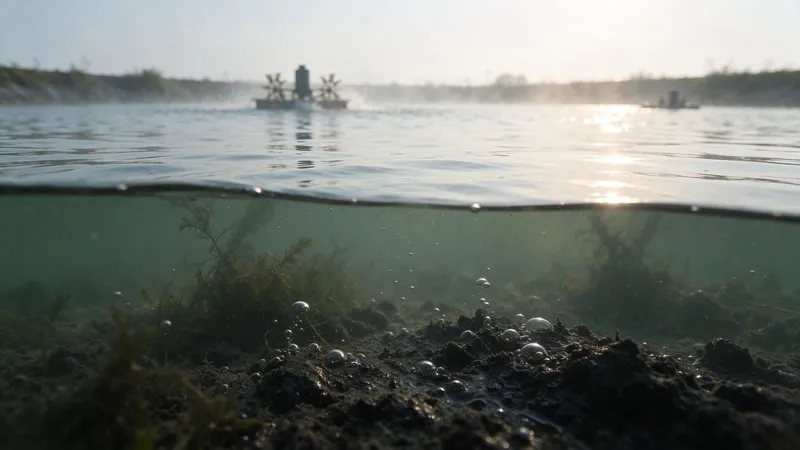
Smelly, Thick Pond Sludge: The Hidden Time Bomb Under Your Fish and Shrimp
A plain-language guide to where pond sludge comes from, why it turns black and odorous, the hazards of thick black sludge, how to self-check, national standard limits, and the full control chain from source reduction and routine bottom management to desilting and pond drying.
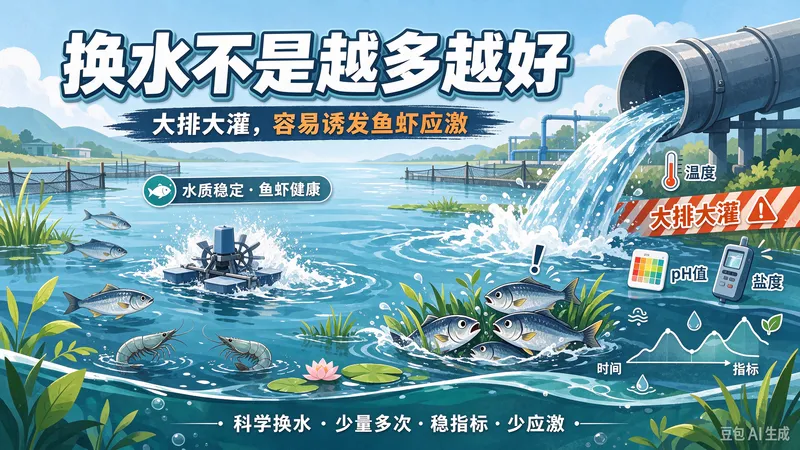
The More Water, the Better? No — Large, Sudden Water Changes Can Trigger Stress in Fish and Shrimp
A Scientific Water-Change Guide for Aquaculture Farmers