

Introduction
1、Product advantages
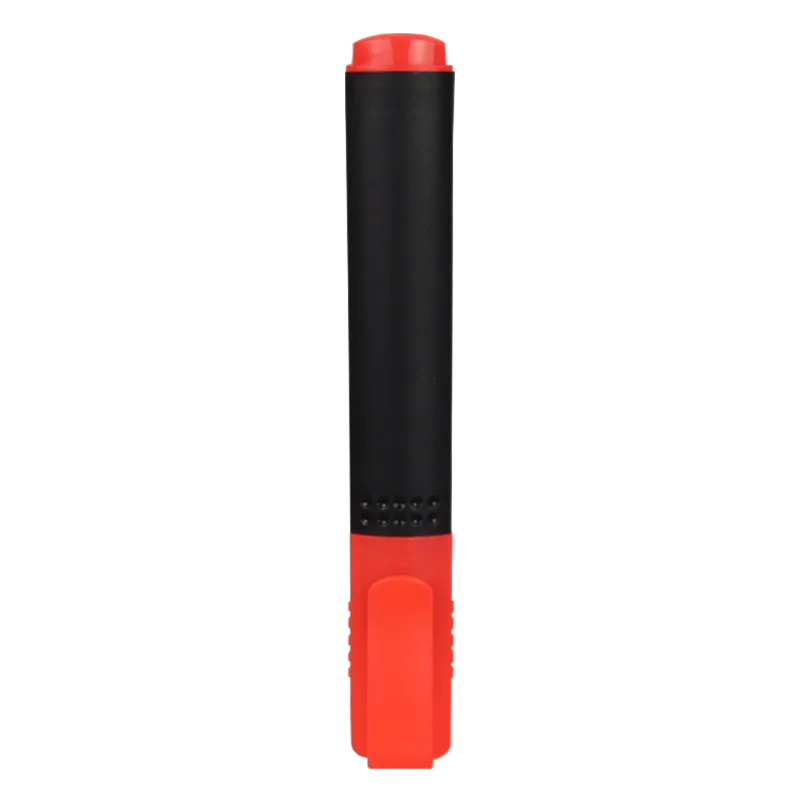
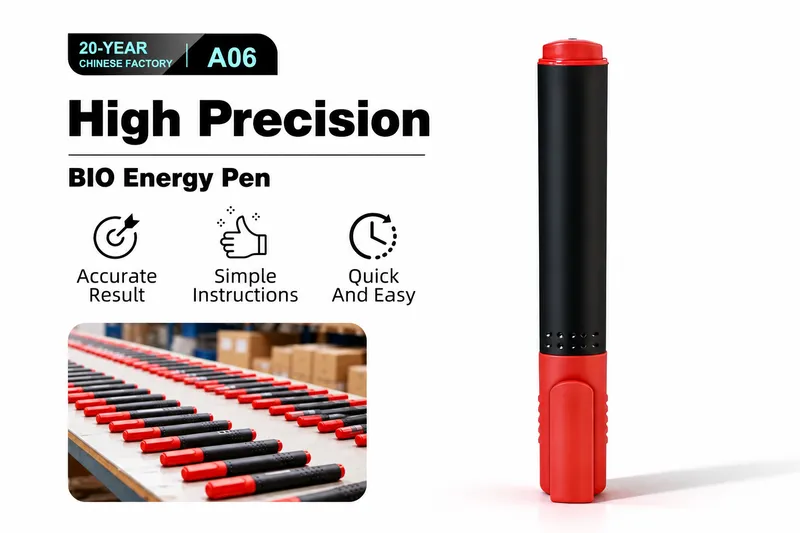
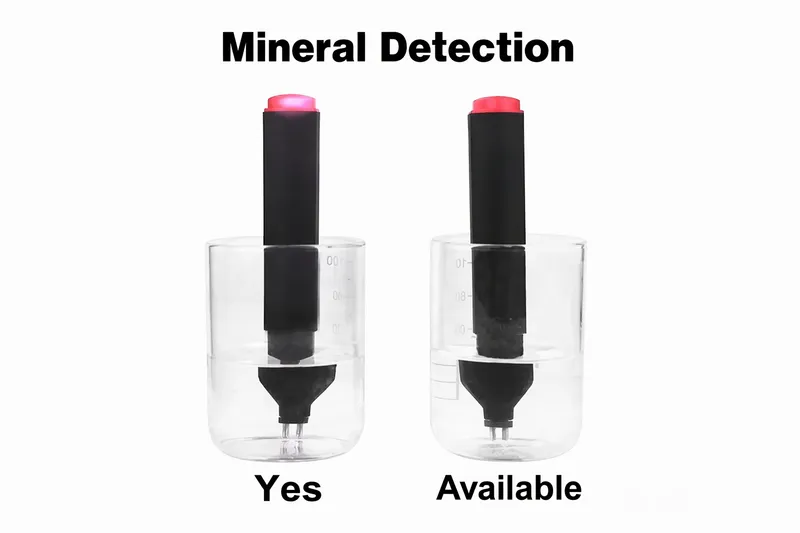
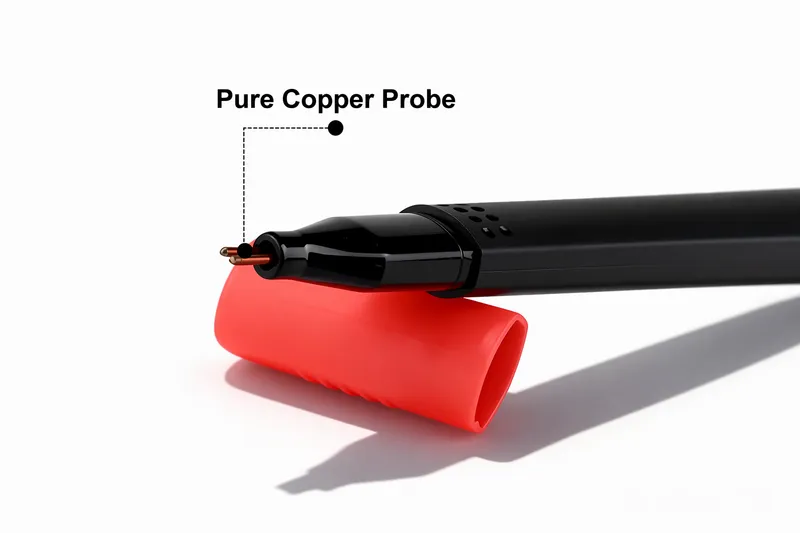
(1) The BIO mineral water quality tester uses a copper core probe and anti-short circuit design, making operation very simple: place the tip in water, pure water does not light up, mineral water does. (2) Compared to common iron probe products on the market, this product offers more accurate and durable measurements. The insulation layer and one-piece molded structure effectively prevent water ingress and current loss, significantly extending service life. (3) Mineral detection: quickly determine whether the water contains conductive minerals by whether the light turns on. (4) Easy operation: no complicated steps, the tip touches the water sample and the result is displayed immediately. (5) High-precision probe: the copper core probe is covered with an insulation layer for accurate and fast measurements, avoiding rust from iron probes affecting the results. (6) Anti-short circuit design: the insulation layer on the probe surface prevents residual water droplets from forming an electrical path, protecting the battery and circuit. (7) Durable structure: the probe is one-piece molded to prevent water ingress, with replaceable electronics to extend the overall service life of the pen. (8) High-brightness indicator light: the test light tube is exposed for higher brightness; an embedded secondary light tube ensures clear and easy-to-see results.
2、Specifications
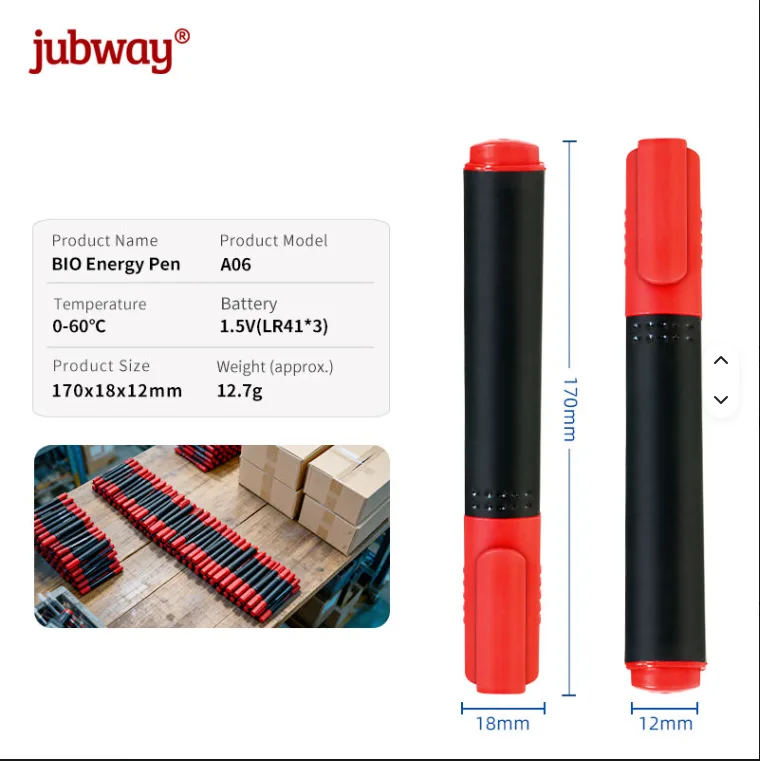
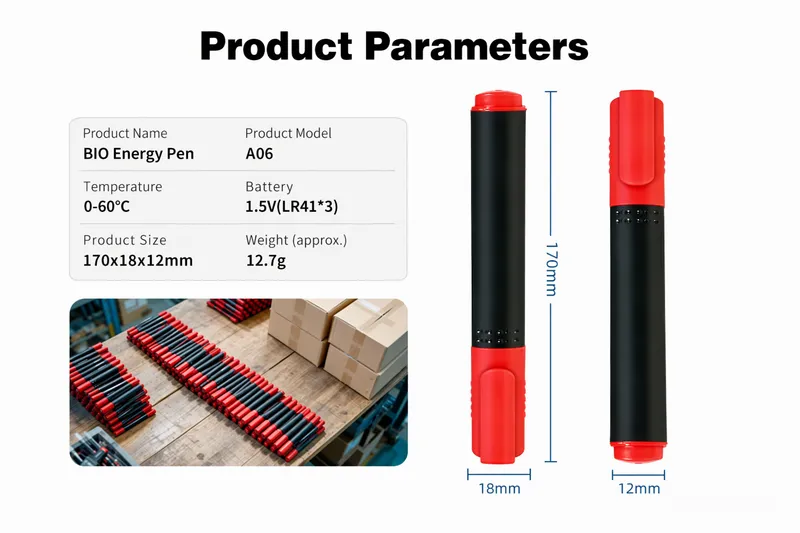
(1) Detection method: Conductivity test of water samples by contact. (2) Display method: LED light on/off; a lit light indicates the presence of conductive minerals. (3) Probe material: Copper core + insulation layer. (4) Anti-short circuit design: Insulated probe surface prevents current loops from residual water droplets. (5) Structural design: Probe and pen body are integrally molded to prevent water ingress. (6) Power supply: Replaceable button battery. (7) Suitable water samples: Tap water, purified water, bottled water, water from water dispensers, outdoor water sources, etc.
3、Applications
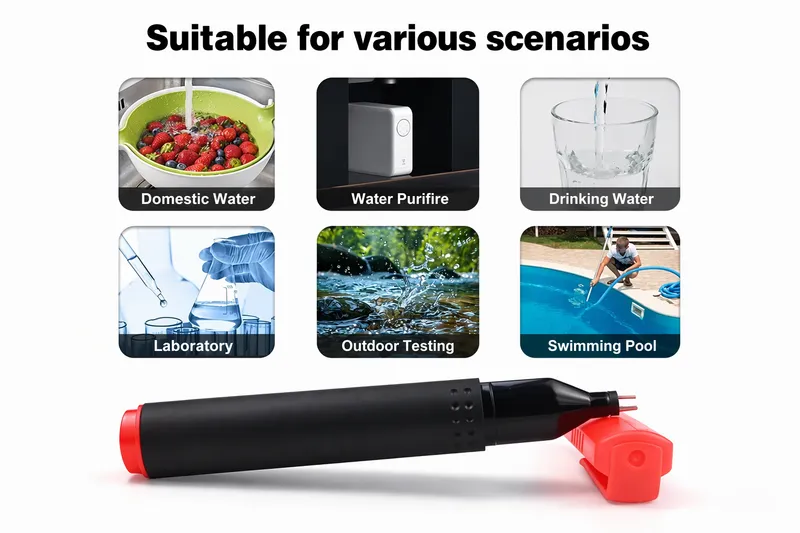
(1) Preliminary judgment of tap water, purified water, and mineral water quality in daily home use. (2) Quick verification of the output effect of water purifiers and water dispensers. (3) Rough screening of whether outdoor water sources (e.g., spring water, well water) contain minerals. (4) Simple detection of the presence of minerals in bottled or bulk water. (5) Demonstration of the relationship between water conductivity and mineral content in educational or science popularization activities.
4、How to use
5、Packaging & shipping

6、OEM customization

7、Company strengths

FAQ
Q: Why doesn't the light turn on in pure water, but turns on in mineral water?
A: Pure water contains almost no conductive mineral ions and has high resistance, so the circuit is not completed; mineral water contains conductive ions such as calcium, magnesium, and sodium, which can complete the circuit and light up the indicator.
Q: Will the pen tip consume power if it gets wet?
A: No. The probes of this product have an insulating layer on the surface. Even if there are water droplets on the pen tip, no electrical circuit will be formed, so residual water droplets will not consume the battery.
Q: Why choose a copper core probe instead of an iron probe?
A: Most products on the market use iron probes, which are prone to rust, affecting the demonstration effect and testing accuracy. The copper core probe, combined with an insulating layer, can effectively prevent rust and ensure accurate and fast measurement.
Q: How to replace the battery?
A: Open the battery compartment cover, insert a new battery (button cell) according to the positive and negative polarity markings, and then close the cover tightly. The replaceable battery design helps extend the overall service life of the product.
Q: What are the benefits of the integrated molded probe?
A: The integrated molded structure can effectively prevent water from seeping into the interior through the gaps in the probe, avoiding damage to the internal circuits from moisture, and improving product reliability and lifespan.
Q: Can the BIO mineral water test pen measure the specific content of minerals in water (such as TDS value)?
A: No. It can only judge whether there are conductive minerals in the water by whether the light turns on or not, and cannot display concentration values. For quantitative testing, please use other instruments such as TDS test pens.
Q: What is mineral water?
A: Water containing dissolved minerals such as calcium, magnesium, potassium, and sodium (existing in the form of ions), which has certain conductivity.
Q: What is pure water?
A: Water that basically contains no impurities and mineral ions, with extremely low electrical conductivity, and is almost non-conductive.
Q: What is conductivity?
A: The ability of an aqueous solution to conduct electric current due to the presence of ions. The higher the mineral content, the stronger the conductivity usually is.
Q: What is an iron probe?
A: A common and cheap probe material for water quality test pens, with the disadvantage of being prone to rust and easily affecting test results.
Q: What is a copper core probe?
A: A probe with copper as the base material and an insulating layer, which is oxidation-resistant, has stable conductivity, and provides more accurate measurements.
Q: What is the short-circuit protection design?
A: It isolates water droplets on the probe surface through an insulating layer to prevent accidental formation of electrical circuits, thereby protecting the battery and circuits.
Q: What is integrated molding?
A: Seamless processing at the connection between the probe and the pen body to prevent water from entering the internal circuits.